
Mpox Epidemics: A Call to Restore Humanity’s Lost Herd Immunity to Orthopoxviruses
Orthopoxviruses are a group of zoonotic, phylogenetically related, double-stranded DNA viruses. The genus Orthopoxvirus belongs to the family Poxviridae, under which there are several genera, including Parapoxvirus, Avipoxvirus, Capripoxvirus, Leporipoxvirus, Suipoxvirus, Molluscipoxvirus, and Yatapoxvirus. Historically, the most widely reported infection caused by an Orthopoxvirus is smallpox—a disease of humans from
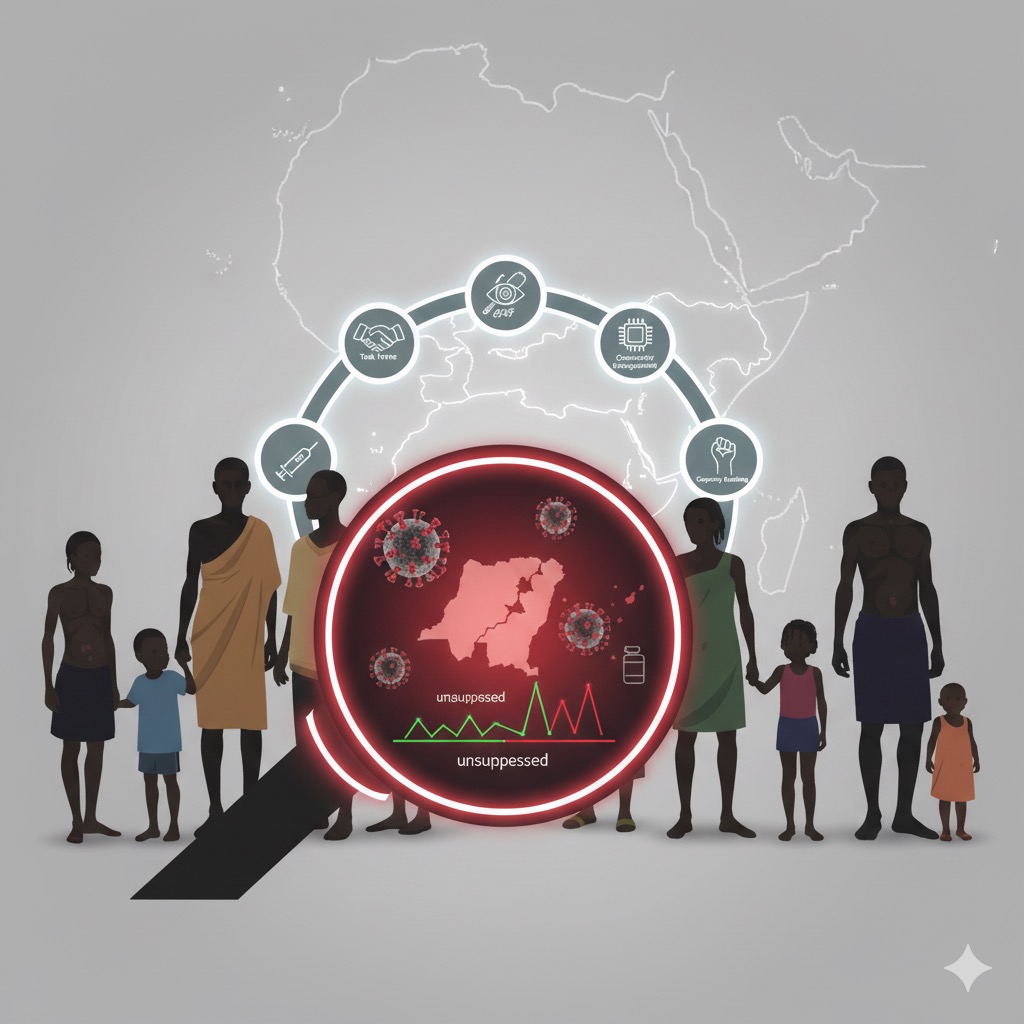
High prevalence and non-suppression of HIV/AIDS in the East and Central African region heightens risk of severe outcomes for Clade I monkeypox virus infection, and may be a driver for subsequent adaptation
In September 2023, a re-emergence of mpox was noted in the province of South Kivu, in DR Congo. So far, active transmission has been reported in 23 of the 26 provinces. Despite localisation within DRC, there are emerging concerns about possibility of cross-border transmission. In this perspective, we highlight the

Leveraging an epidemic to establish vaccine clinical trial capacity in a low resource setting: the Ugandan experience
Pandemics are becoming increasingly frequent, driven by global mobility, rapid urbanization, climate change, and heightened human–animal interaction. Despite experiencing a high burden of infectious disease outbreaks, Sub-Saharan Africa remains underrepresented in vaccine research and development. Most vaccines are designed, tested, and validated outside the continent, largely due to limited visibility

Vaccines on the Fast Track: The Race Against Epidemics
Vaccine development is often a race against time in an outbreak. This publication looks at the scientific innovations and accelerated processes that help researchers create, test, and distribute vaccines rapidly in response to emerging epidemics.

Harnessing Data: The Power of Early Detection in Epidemics
Early detection is key to epidemic control. This issue focuses on how data analytics, AI, and global health surveillance networks are transforming the way we identify outbreaks, allowing for timely interventions that can save lives.

Epidemic Research: Breaking the Chain of Transmission
This publication explores cutting-edge strategies aimed at stopping the spread of infectious diseases. Through advanced detection systems, contact tracing, and rapid response efforts, researchers work to break the chain of transmission and protect communities.
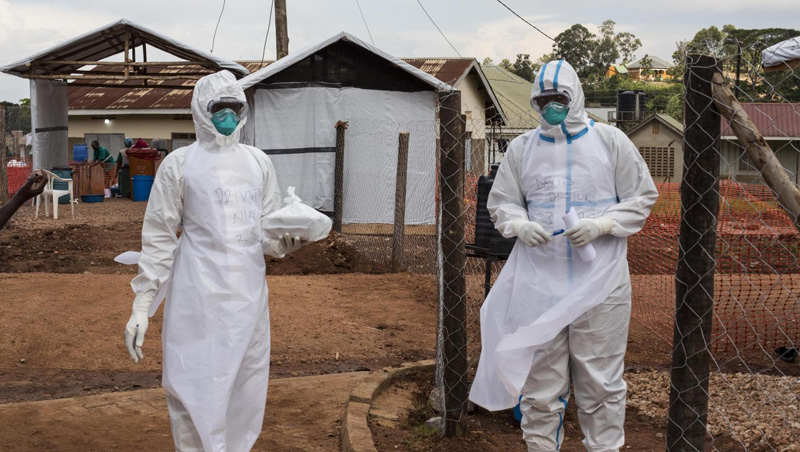
Continental concerted efforts to control the seventh outbreak of Ebola Virus disease in Uganda: The first 90 days of the response
On 20th September 2022, Uganda declared the 7th outbreak of Ebola virus disease (EVD) caused by the Sudan Ebola strain following the confirmation of a case admitted at Mubende Regional Referral Hospital. Upon confirmation, the Government of Uganda immediately activated….
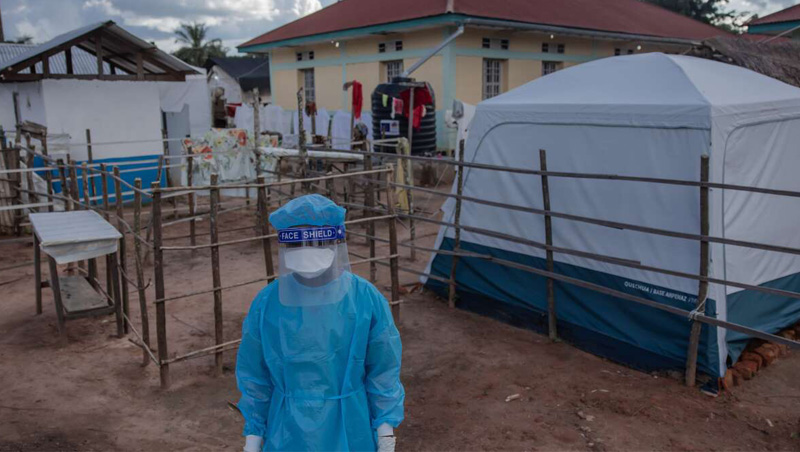
Shifting transmission patterns of human mpox in South Kivu, DR Congo
In the wake of the COVID-19 pandemic, humanity experienced the emergence of another epidemic health threat in 2022. That threat came from human mpox (formerly known as monkeypox) virus—an agent that despite its discovery in 1958, has historically received low attention until recent developments. First reported in humans …..