Emerging and re-emerging infectious diseases continue to trigger devastating epidemics and pandemics, particularly in low- and middle-income countries where clinical research infrastructure remains limited. These constraints hinder timely understanding of disease presentation, pathophysiology, and outcomes, ultimately slowing the development of effective countermeasures. Recent outbreaks—such as the Ebola Sudan epidemic in Uganda and the ongoing Marburg Virus Disease events in Rwanda and Tanzania—underscore the urgent need for coordinated, patient-centered epidemic research networks capable of rapidly generating evidence during health emergencies. In response to this gap, the Interdisciplinary Consortium for Epidemics Research and Response (ICER) was established to bring together scientists and clinicians across laboratory science, clinical care, epidemiology, surveillance, and product development to strengthen outbreak preparedness and research capacity across the region.
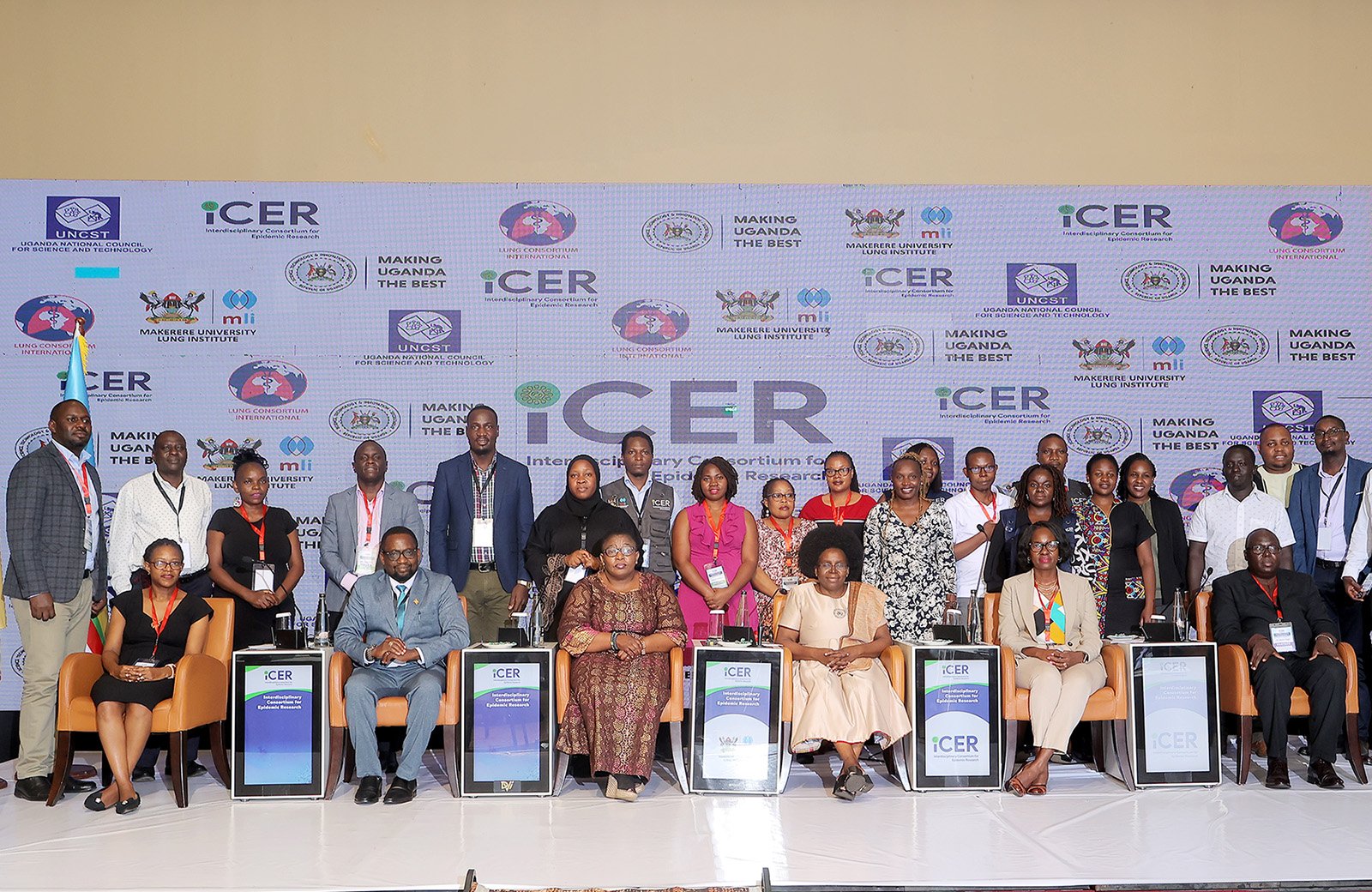
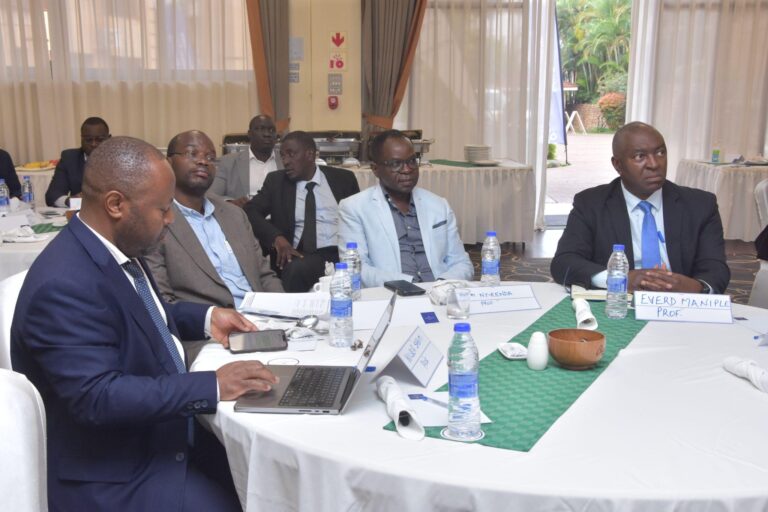
The second ICER Symposium convened experts and partners from across East and Central Africa and beyond, using a hybrid format to expand participation. Held at the Commonwealth Resort Munyonyo, the three-day meeting opened with remarks from Dr. Winters Muttamba, who emphasized ICER’s progress since the inaugural symposium and the continued need to position research at the center of epidemic control. With Mpox outbreaks emerging in the Democratic Republic of Congo and threatening the region, the symposium aimed to foster collaboration, refine priority research areas, and generate actionable strategies for a more coordinated and effective response. Delegates were called upon to build on ICER’s growing momentum and strengthen regional capacity to anticipate, prepare for, and respond to future outbreaks.